Benue State (Swoness Home)
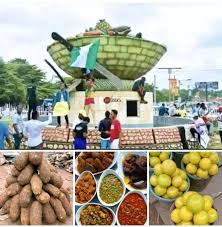
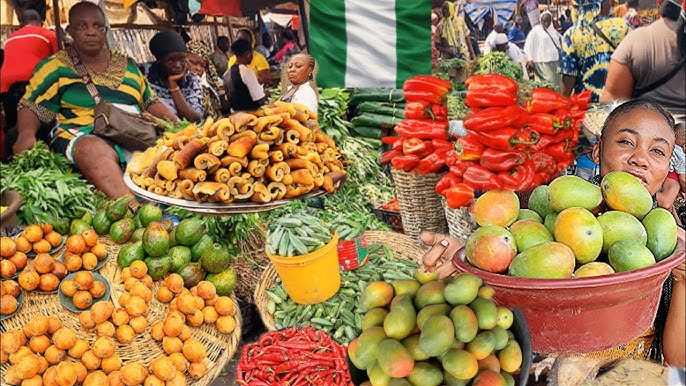
Food Basket of the Nation
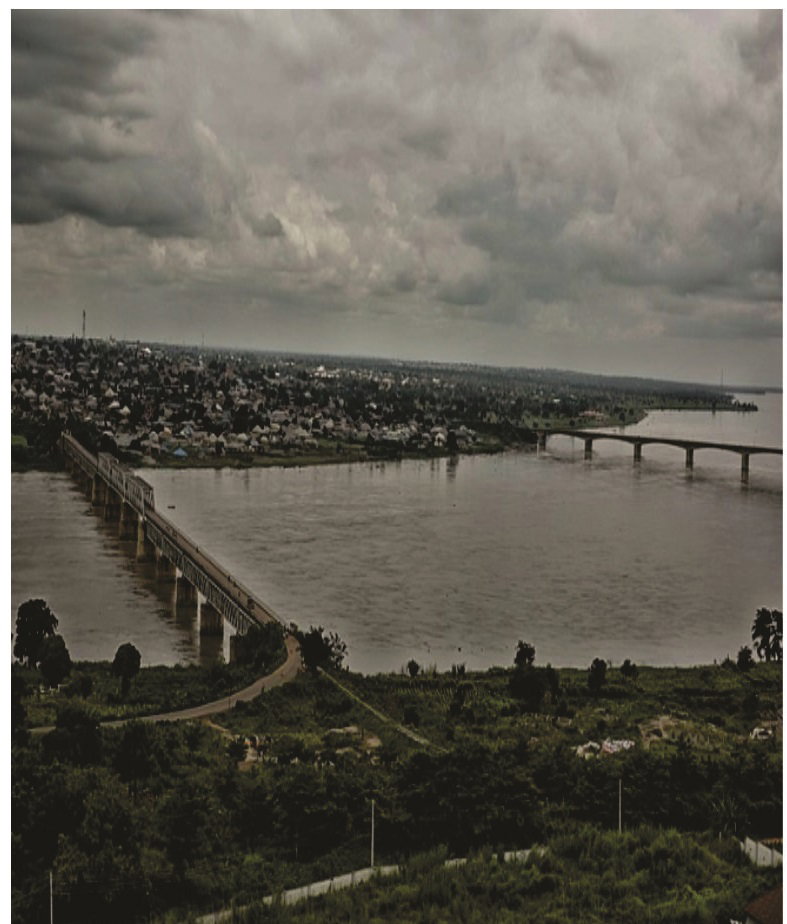
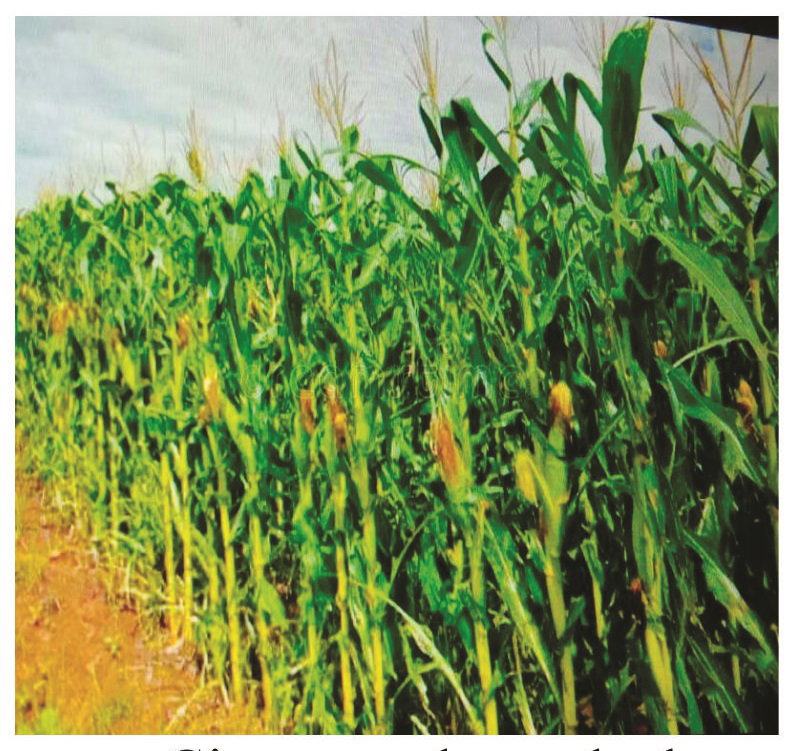
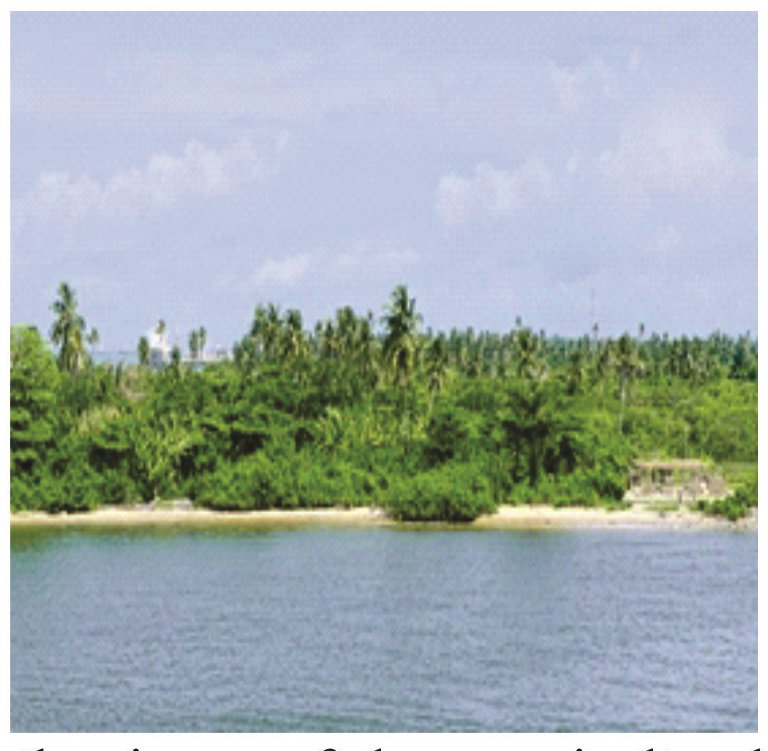
Brief history about Benue State - as written by the Tiv-Author - Swoness Benue state was created on 3rd February1976; it was one of the seven (7) new states created by the military administration under Late. General Murtala Muhammad, which increased the number of states in the federation from twelve to nineteen. The state got its name from the river around it “River Benue”, which is the second largest river in Nigeria and the most outstanding geographic feature in the state, with a population of over 4 million people. However, the state has twenty-three (23) local government areas with three (3) tribes, which Tiv (is the majority), Idoma (first minority) while Igede (second minority); they may be other tribes but not fully recognized as part of the state. Besides, the state (Benue) geographical location in the country (Nigeria) is quite unique; it lies roughly in the middle of the country and shares boundaries with six other states. Nasarawa to the North, Taraba to the East, Kogi & Enugu states to the west and Ebonyi & Cross-River to the south. Benue state also shares an international boundary with the republic of Cameroon to the south-west. However, the state has a land mass of 33, 955 square kilometers and lies between Latitudes 6.5 degree and 8.5 degree North. Nevertheless, the state experiences a tropical climate with two district seasons; the wet or rainy season and the dry “harmattan” season. The rainy season lasts from April - October - the annual rainfall is in the range of 150mm - 180mm while the dry “harmattan” season begins in November and ends in March with dry north easterly winds being experienced, especially between 23 degree Celsius and 32 degree Celsius in the year. The southern-eastern part of the state (especially Zone A) adjoining the Obudu-Cameroun mountain range, however has a cool climate similar to that of Jos, Plateau (a next-door state). The vegetation of the state consists of rain forest, which have tall trees, tall grasses and oil palm trees that occupy the state’s western and southern fringes while the Guinea Savannah is found in the eastern and northern parts with mixed grasses and trees that are generally of average height. Again, Benue’s topography is mainly undulating plains with occasional elevations of between 1, 500m and 3, 000m above sea level. The state’s main geologic formations are sandy-loam shelf basement complex and alluvial plains. These together with its location in the transition belt between the north and south ecologies and a favourably rainfall pattern account for its support for a wide variety of crops. Benue state ideally provides a meeting point for commercial activities. Geo-physical surveys of the state indicate that Benue is endowed with abundant resources, which are spread across virtually all the council areas of the state and details of these and many more comes up in the second edition of The Great Insight. Thank you, as you read and study The Great Insight. Read more in The Great Insight................ Yours truly, Swoness